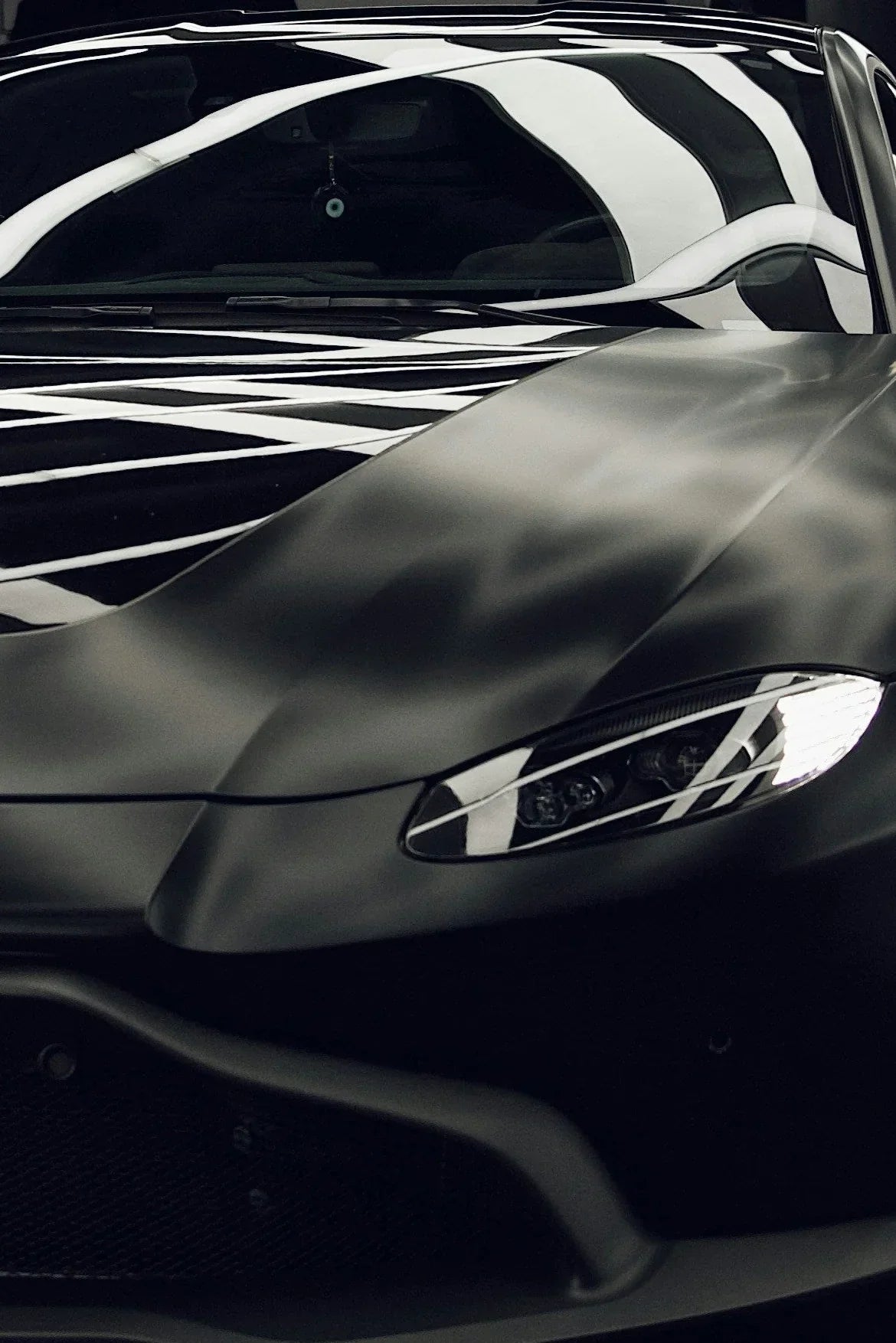
A high-quality Paint Protection Film (PPF) lasts five to ten years in real-world use when properly maintained. The key factors are the quality of the film, everyday environmental exposure, and above all, gentle and regular care. Neglect, incorrect cleaning agents, and intense UV exposure significantly reduce its lifespan.
PPF is a transparent, elastic protective film made of polyurethane that shields vehicle paint from stone chips, insect residues, chemicals, and mechanical stress.
Modern paint protection films consist of multi-layer polyurethane structures with self-healing properties. However, like any plastic material, they age over time. UV radiation, heat, aggressive chemicals, and mechanical friction all affect the structure of the film.
If a PPF is cleaned regularly, protected from UV radiation, and not exposed to unnecessary mechanical stress, it remains elastic, clear, and functional. Without maintenance, the surface dries out, loses plasticizers, and becomes brittle. Yellowing is usually not caused by the material itself, but by prolonged UV exposure and baked-in contamination.
When which solution makes sense
- If the vehicle is regularly parked outdoors: Additional UV protection for the film is advisable to slow down aging and yellowing.
- If frequent insect or resin residues occur: These should be removed promptly and gently before they chemically bond to the film.
- If the surface appears dull: The issue is usually a lack of protection, not insufficient cleaning. A suitable PPF care product and sealant restores smoothness and optical clarity.
Step by step
Preparation
- Park the vehicle in the shade
- Allow the surface to cool down
- Thoroughly rinse off loose contamination
Procedure
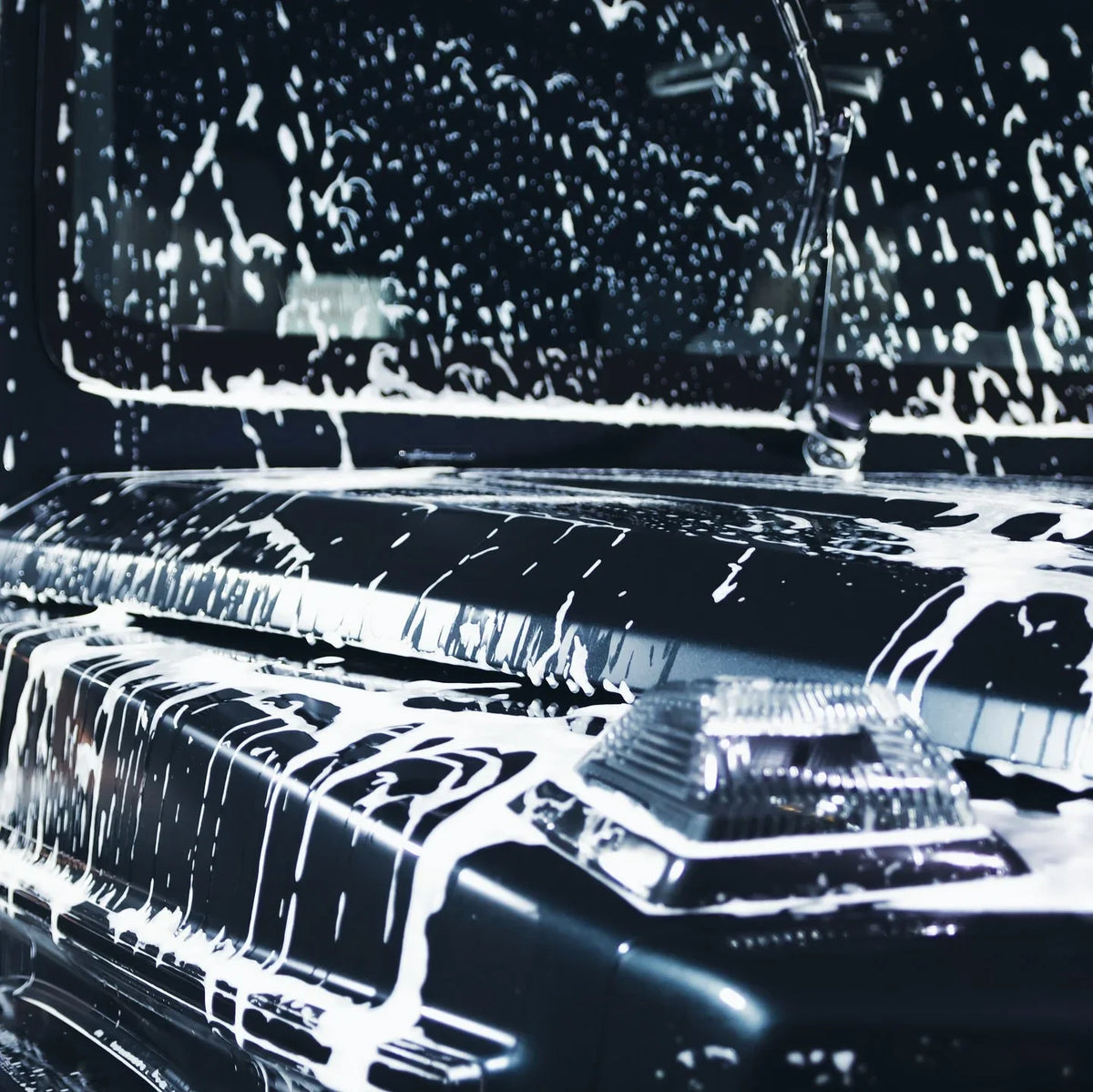
- Clean the PPF with a pH-neutral shampoo
- Do not use aggressive cleaners or solvents
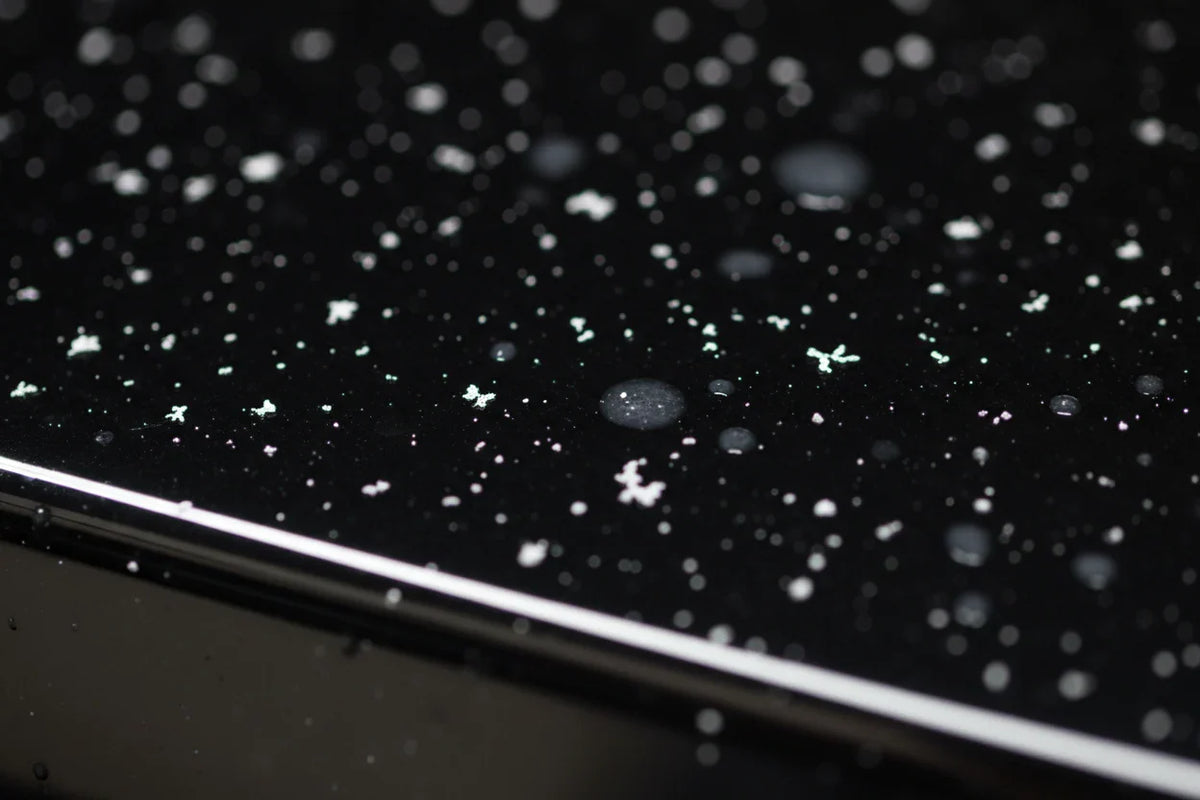
- Loosen insect residues with a damp microfiber cloth, do not rub dry
Aftercare / Protection
- Dry the film gently
- Apply a suitable protection product designed for PPF
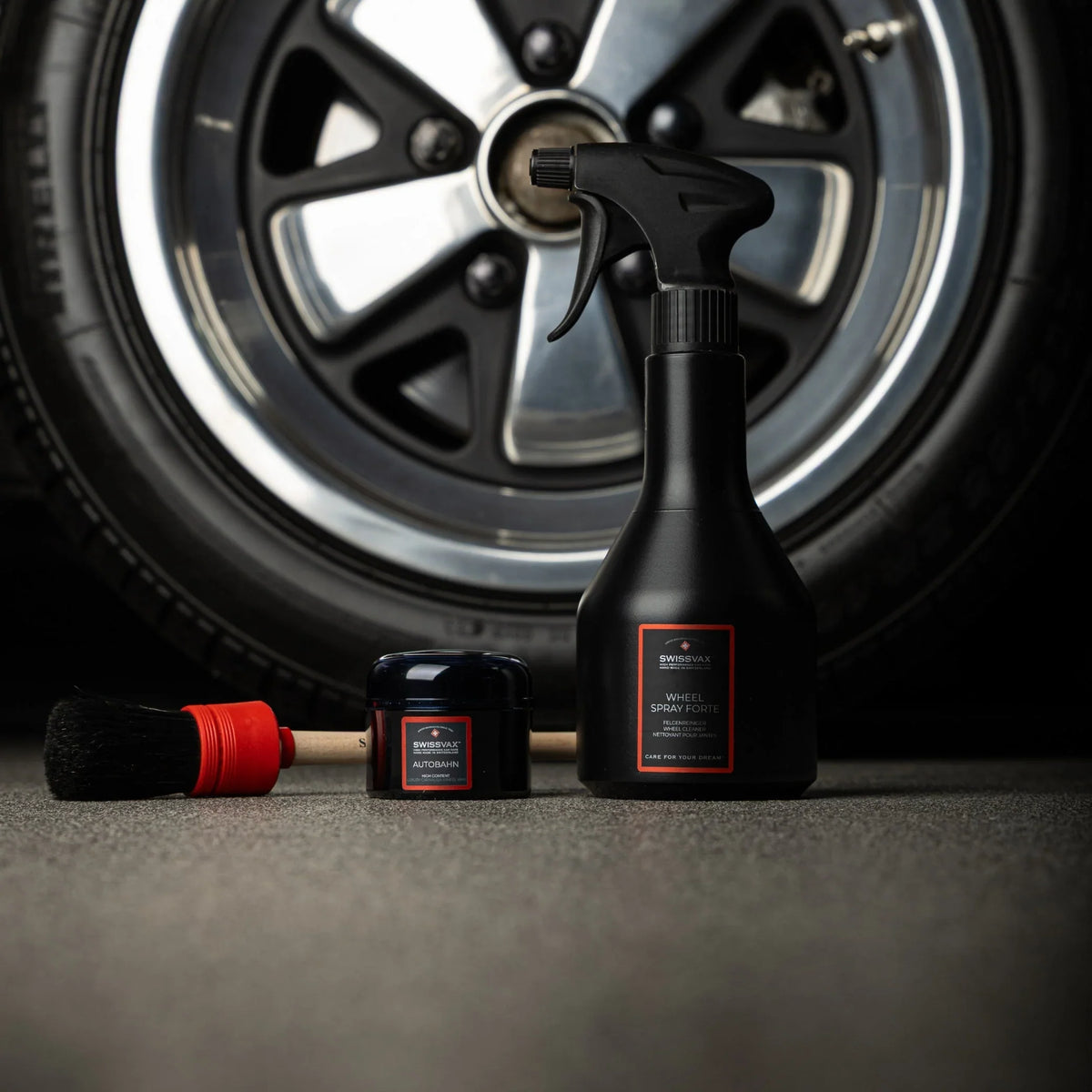
- Maintain regular care intervals, for example with PPF Care from SWISSVAX
Common mistakes & myths
- “PPF is maintenance-free”: Incorrect. Films also require care to preserve their properties.
- “Insects can simply be wiped off”: Incorrect. Dried insect residues are acidic and attack the film surface.
- “Strong cleaners clean better”: Incorrect. Aggressive chemicals accelerate aging and can dry out or even damage the film.
Professional tip from practice
The sooner contamination is removed, the longer a PPF remains clear and elastic. In practice, vehicles that receive regular, material-appropriate care easily reach the upper end of the expected lifespan range.
Frequently asked questions
How do you remove insect residues from PPF?
Moisten with water, allow it to soak briefly, and gently remove without pressure using a soft microfiber cloth. If residues are stubborn, place the damp microfiber cloth on the insects to loosen them before wiping.
What damages a paint protection film the most?
UV radiation, aggressive chemicals, and mechanical friction.
Can a PPF turn yellow?
Yes, especially under intense UV exposure and without proper maintenance.
Can PPF be waxed or sealed?
Yes, with products specifically designed for this purpose, such as the SWISSVAX PPF Wax.
A PPF is a durable paint protection solution when properly maintained. Regular cleaning, UV protection, and avoiding aggressive methods determine years of durability. Treating film exactly like paint means sacrificing potential and lifespan.